Goat Head (Aattuthalai): A Nutritional Powerhouse Loved Across South India
Introduction
Goat head, popularly known as Aattuthalai in Tamil Nadu, has been a treasured delicacy in South Indian cuisine for generations. From flavorful goat head curry to nourishing soup and brain fry, this traditional food is deeply rooted in culinary heritage and valued for its rich nutritional profile.
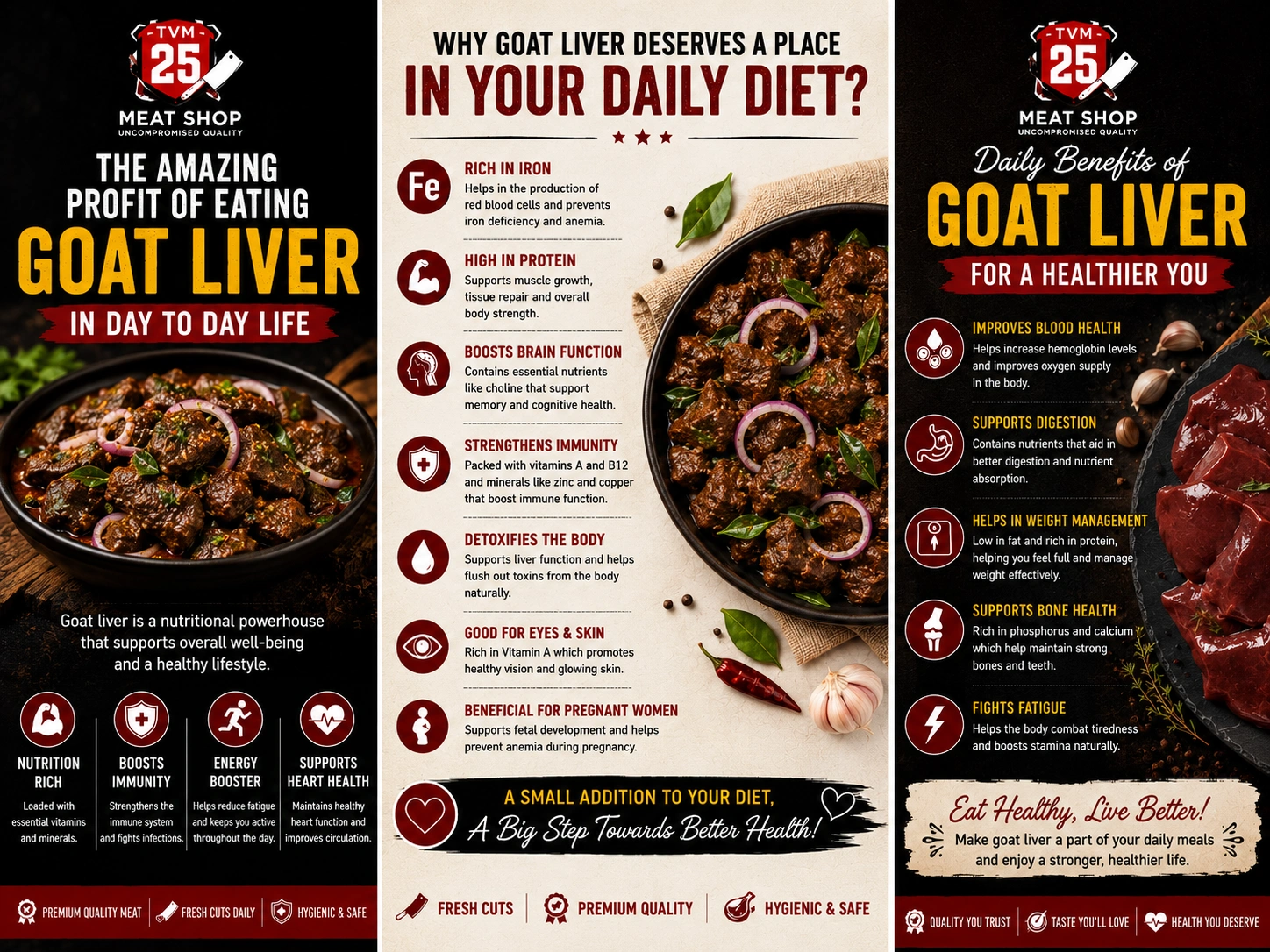
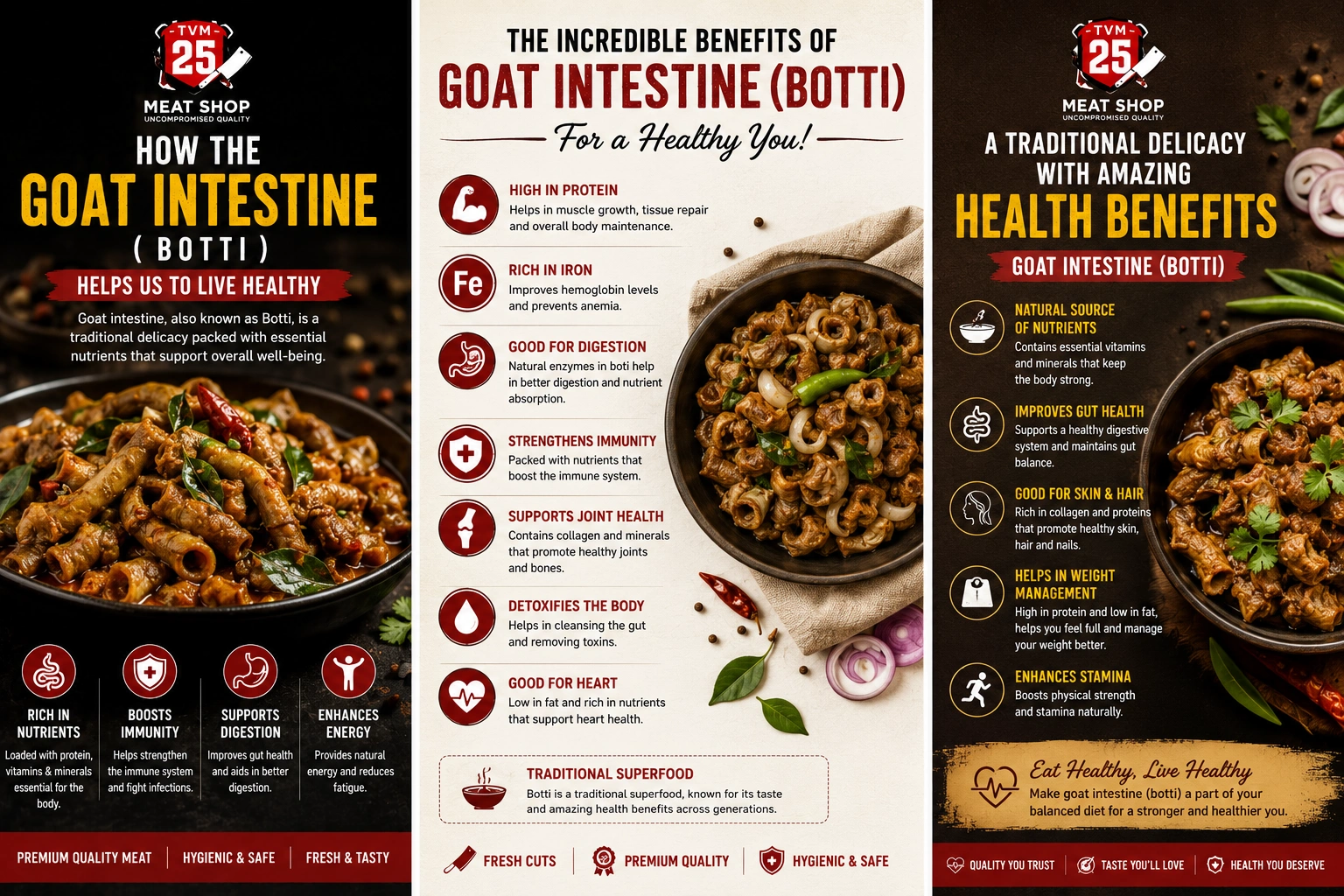
In recent years, nutrition experts and food researchers have renewed interest in organ meats and whole-animal nutrition. Goat head contains several nutrient-dense parts, including cheek meat, tongue, brain, skin, and bone marrow, each contributing unique health benefits. Goat meat is naturally rich in protein, iron, zinc, potassium, and vitamin B12 while remaining relatively lean compared to many other red meats.
This article explores the major health benefits of eating goat head, its nutritional value, traditional significance, and how to consume it as part of a balanced diet.
What Is Goat Head (Aattuthalai)?
Goat head refers to the entire head of a goat, including:
- Cheek meat
- Tongue
- Brain
- Skin
- Bone marrow
- Connective tissues
In South Indian households, especially in Tamil Nadu, Kerala, Andhra Pradesh, and Karnataka, goat head is commonly prepared as:
- Aattuthalai Curry
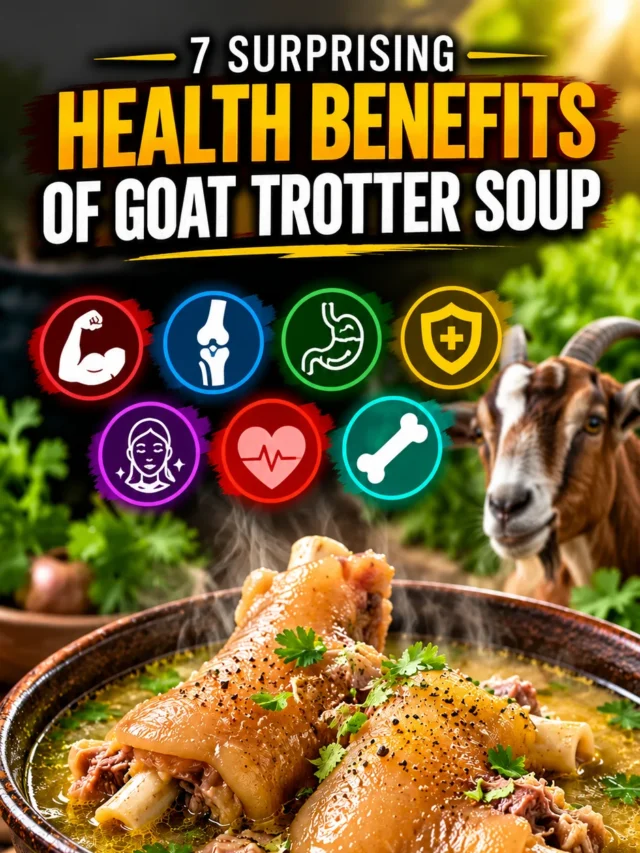
- Goat Head Soup
- Goat Brain Masala
- Goat Head Biryani
- Bone Broth and Stock
Many traditional communities consider goat head one of the most nutrient-dense parts of the animal.
Nutritional Value of Goat Head
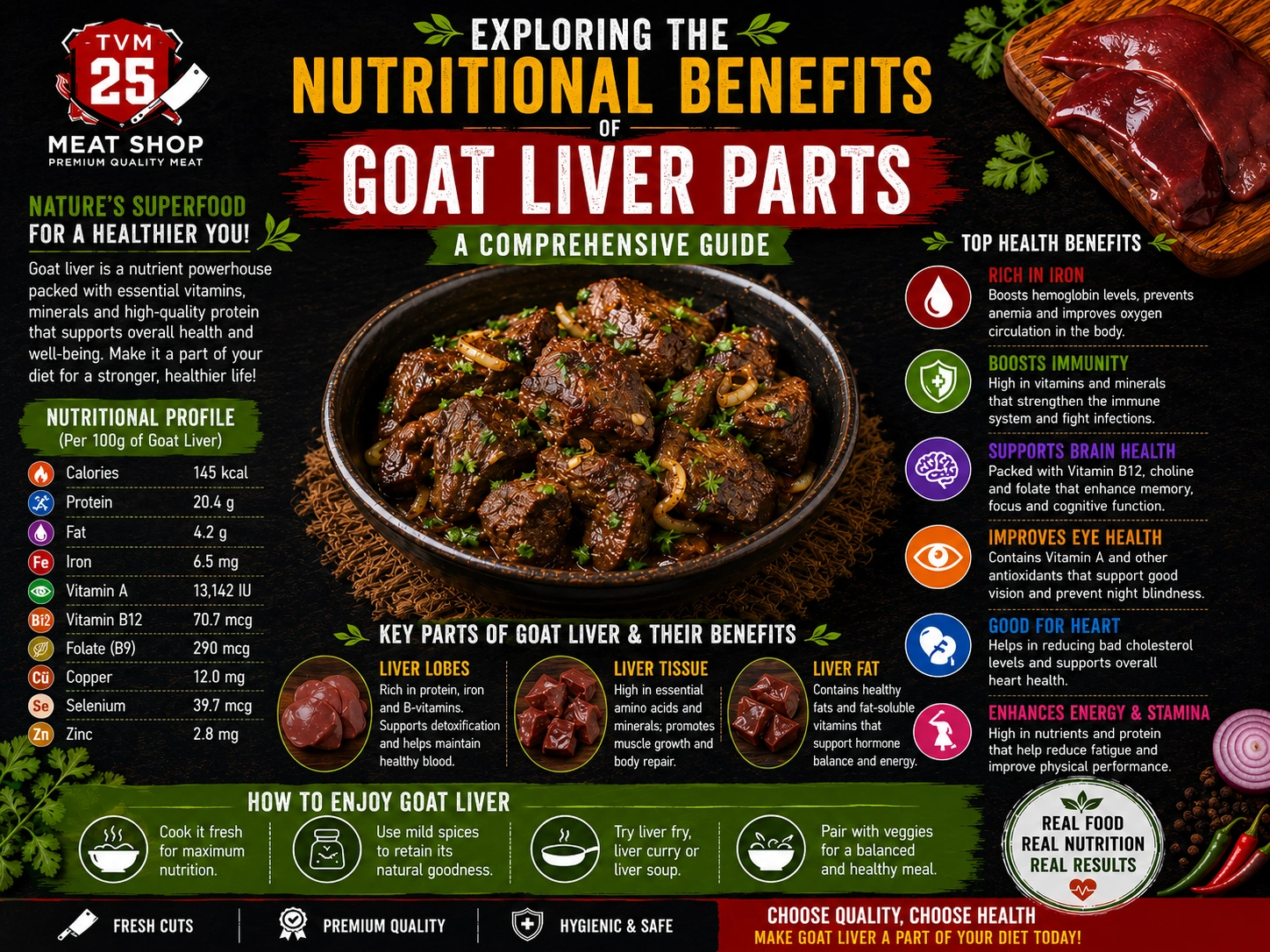
A cooked serving of goat head provides high-quality protein with moderate fat content and a variety of essential micronutrients. Goat head contains protein, vitamin B12, zinc, phosphorus, iron, riboflavin, and other minerals that support overall health.
Key nutrients include:
- Protein
- Iron
- Zinc
- Vitamin B12
- Potassium
- Phosphorus
- Selenium
- Healthy fats
- Collagen-rich connective tissues
These nutrients make goat head a valuable addition to nutrient-focused diets.
12 Amazing Benefits of Eating Goat Head
-
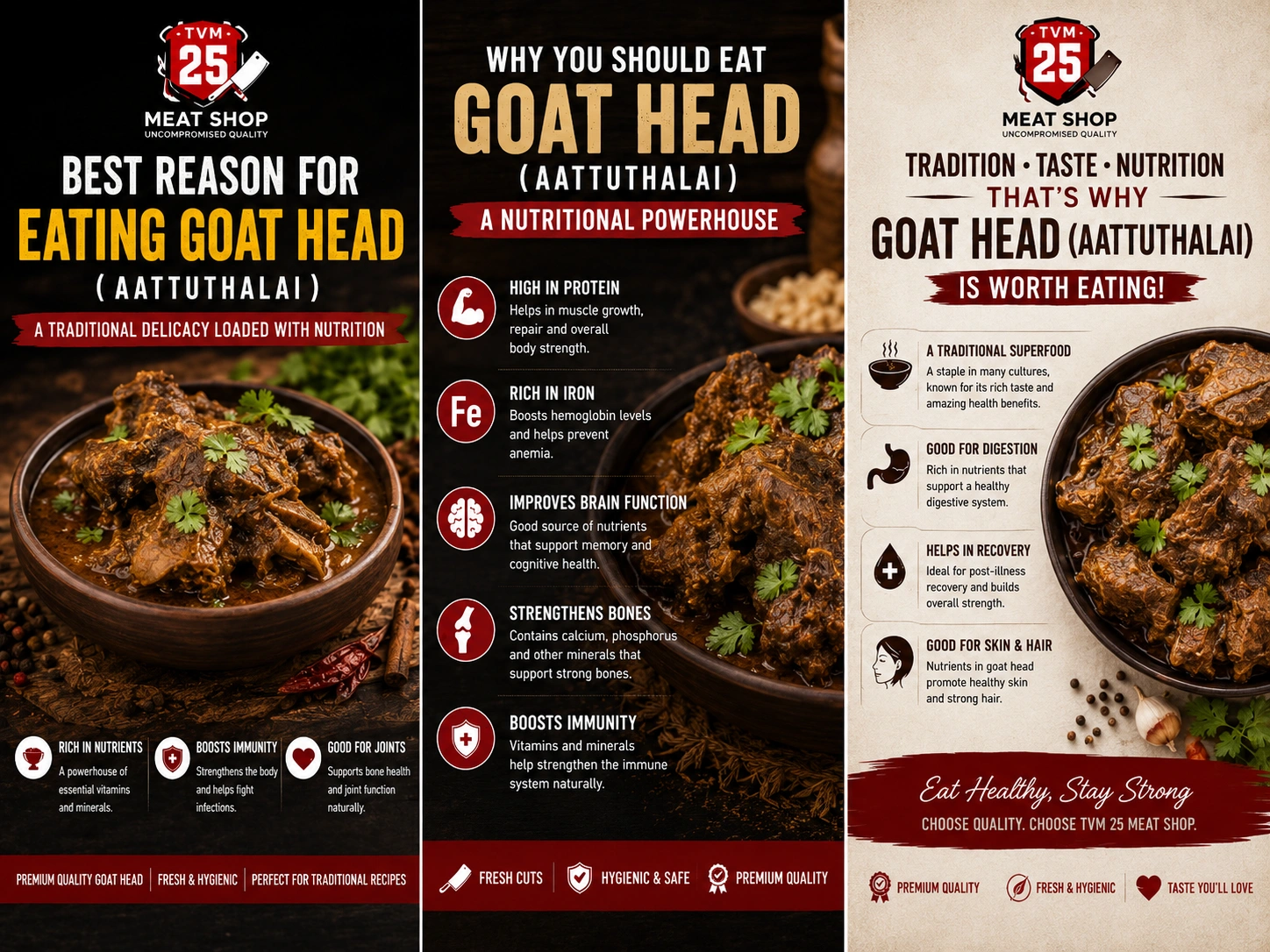
Excellent Source of High-Quality Protein
Protein is essential for:
- Muscle growth
- Tissue repair
- Enzyme production
- Hormone regulation
- Immune function
Goat head meat contains high-quality animal protein with essential amino acids needed for recovery and maintenance of body tissues. Studies show goat meat is a rich protein source while remaining relatively lean compared to many other red meats.
For physically active individuals, athletes, and growing children, goat head can contribute significantly to daily protein requirements.
-
Rich in Iron for Healthy Blood
Iron deficiency remains one of the most common nutritional problems worldwide.
Goat head contains bioavailable iron that helps:
- Improve hemoglobin production
- Support oxygen transport
- Reduce fatigue
- Prevent iron-deficiency anemia
Compared to many other meats, goat meat provides substantial amounts of iron, making it valuable for people with increased iron requirements.
-
Supports Brain Function
The brain portion of goat head contains important fats, vitamin B12, phosphorus, and other nutrients associated with nervous system health. These nutrients contribute to:
- Memory function
- Concentration
- Cognitive performance
- Nerve health
Some sources also note the presence of omega-3 fatty acids in goat brain, which may support normal brain function.
-
High in Vitamin B12
Vitamin B12 plays a crucial role in:
- Red blood cell formation
- DNA synthesis
- Nervous system function
- Energy metabolism
Goat meat and goat head tissues are naturally rich in vitamin B12, making them beneficial for individuals seeking nutrient-dense animal foods.
-
Strengthens Immunity
Goat head contains important immune-supporting nutrients such as:
- Zinc
- Selenium
- Iron
- Protein
These nutrients help maintain normal immune responses and support the body’s natural defense mechanisms.
-
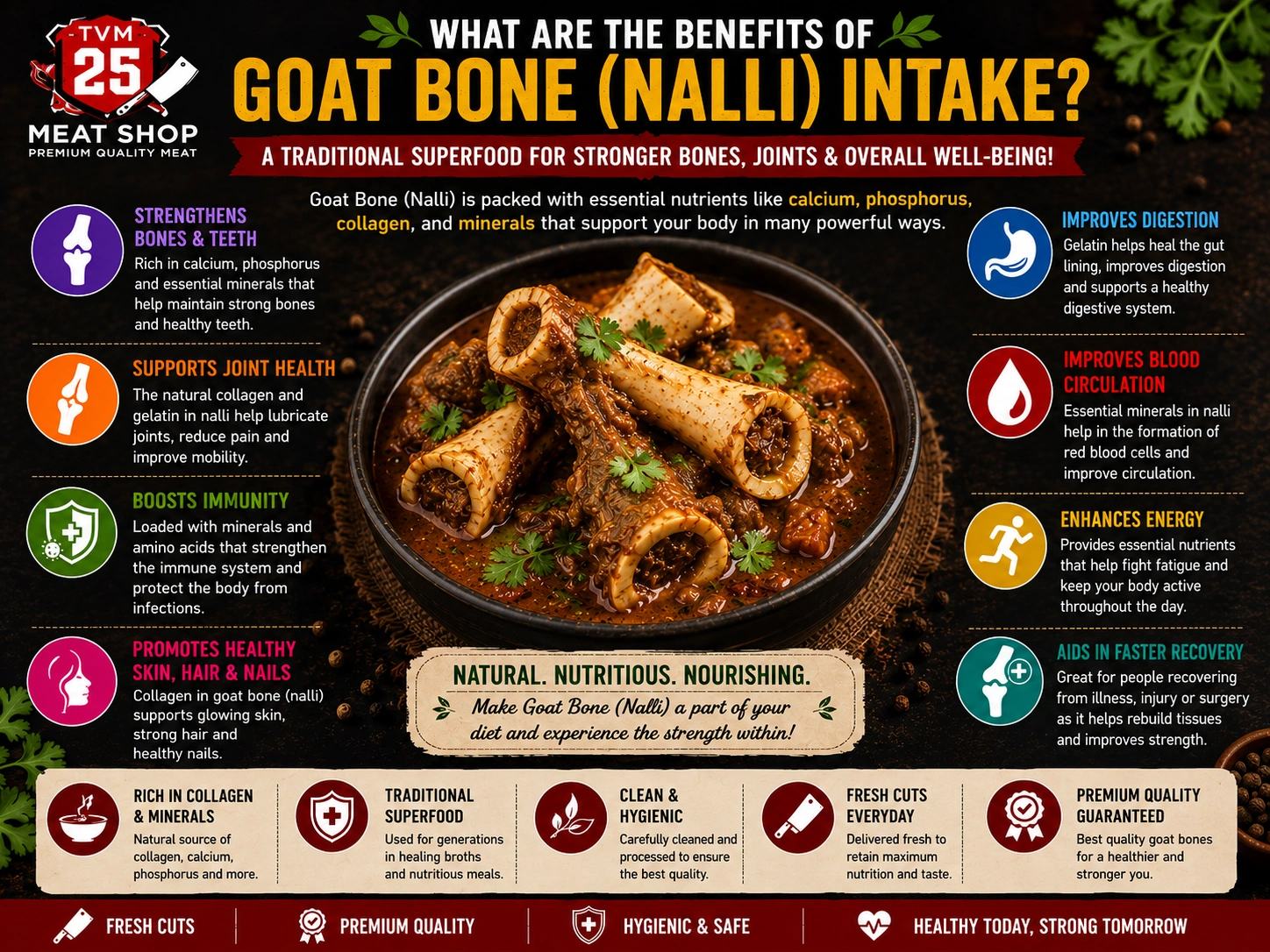
Natural Source of Collagen
One of the most underrated benefits of goat head is its collagen-rich connective tissue.
Collagen helps support:
- Healthy skin
- Joint flexibility
- Hair strength
- Nail growth
- Connective tissue repair
Cheek meat, skin, and slow-cooked goat head broth contain collagen and gelatin that many people seek through expensive supplements. Goat tissues are known to contain significant collagen levels.
-
Supports Joint Health
Traditional goat head soup is often recommended by elders for recovery and strength.
The collagen, gelatin, and connective tissue compounds found in slow-cooked goat head broth may help support:
- Joint mobility
- Cartilage health
- Recovery after physical exertion
Research on collagen-rich foods suggests they provide building blocks important for connective tissues.
-
Provides Long-Lasting Energy
The combination of:
- Protein
- Healthy fats
- B vitamins
- Iron
helps provide sustained energy throughout the day.
Unlike highly processed foods that create rapid energy spikes, nutrient-dense animal foods can contribute to more stable energy levels.
-
Helps Build and Maintain Muscle
For individuals seeking muscle maintenance and recovery, goat head offers:
- Complete protein
- Essential amino acids
- Zinc
- Vitamin B12
These nutrients support muscle repair following exercise and daily physical activity.
-
Supports Bone Health
Goat head contains minerals important for skeletal health, including:
- Phosphorus
- Calcium traces
- Zinc
Bone marrow and slow-cooked broths may also contribute additional nutrients involved in bone maintenance.
-
Promotes Healthy Skin and Hair
The collagen, protein, zinc, and B vitamins found in goat head may support:
- Skin elasticity
- Hair growth
- Skin repair
- Healthy aging
These nutrients are frequently included in beauty supplements, yet they occur naturally in traditional animal-based foods.
-
Traditional Recovery Food
Across Tamil Nadu, goat head soup has traditionally been consumed:
- During recovery from illness
- After childbirth
- Following intense physical labor
- During colder weather
While traditional beliefs should not replace medical advice, the nutrient density of goat head helps explain why it has long been considered a strengthening food.
Is Goat Brain Healthy?
Goat brain is nutrient-rich and contains:
- Vitamin B12
- Phosphorus
- Protein
- Healthy fats
- Omega-3 fatty acids
However, goat brain is also naturally high in cholesterol. People with heart disease, high cholesterol, or specific medical conditions should consume it in moderation and consult healthcare professionals when necessary.
Who Should Eat Goat Head?
Goat head can be beneficial for:
- Athletes
- Gym-goers
- Growing children
- Individuals needing more dietary iron
- People seeking high-protein foods
- Traditional food enthusiasts
Moderation remains important as part of a balanced diet.
Who Should Limit Consumption?
Some individuals may need to consume goat head less frequently:
- People with high cholesterol
- Individuals with cardiovascular disease
- Those advised to limit red meat intake
- People with gout or specific dietary restrictions
Always follow personalized medical guidance.
Best Ways to Cook Goat Head
To maximize flavor and nutrition:
Goat Head Curry
Slow-cooked with spices and herbs.
Goat Head Soup
A nourishing broth rich in collagen and minerals.
Goat Brain Masala
Popular South Indian preparation with onions and spices.
Bone Broth
Slow simmering extracts nutrients from bones and connective tissues.
Avoid excessive deep frying whenever possible.
Frequently Asked Questions
Is goat head healthy?
Yes. Goat head provides protein, iron, zinc, vitamin B12, collagen-rich tissues, and other important nutrients when consumed as part of a balanced diet.
Does goat head contain collagen?
Yes. The skin, cheek meat, connective tissues, and bone broth derived from goat head contain collagen and gelatin-forming proteins.
Is goat brain good for memory?
Goat brain contains nutrients such as vitamin B12, phosphorus, and omega-3 fats that support normal brain function. However, it should be eaten in moderation.
Is goat head better than regular goat meat?
Both are nutritious. Goat head offers additional collagen-rich tissues, bone marrow, and organ meat nutrients not typically found in standard meat cuts.
Can goat head help build muscle?
Its high-quality protein content can support muscle growth and recovery when combined with proper exercise and overall nutrition.
Final Thoughts
Goat head (Aattuthalai) is far more than a traditional delicacy. It is a nutrient-dense food packed with protein, iron, zinc, vitamin B12, collagen-rich tissues, and beneficial minerals. From supporting muscle growth and immunity to contributing nutrients for healthy skin, joints, and blood formation, goat head remains one of the most valued traditional foods in South Indian cuisine.
When prepared hygienically and consumed in moderation, Aattuthalai can be a wholesome addition to a balanced diet in 2026 and beyond.